


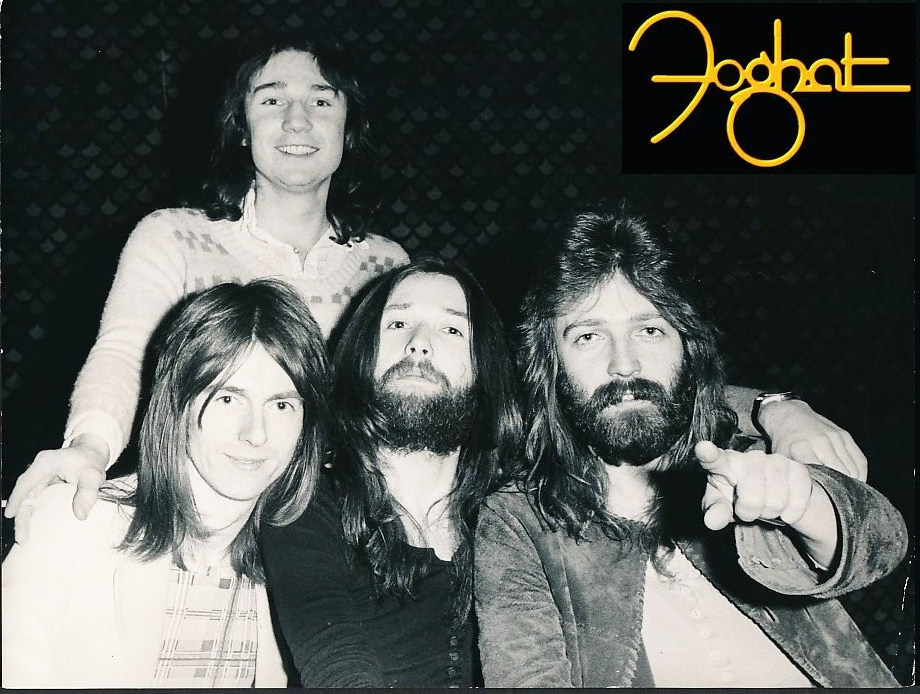
FOGHAT: THE SAVOY BROWN BREAKAWAY THAT HELPED SHAPE ROCK ’N’ ROLL
When people talk about the best rock n roll memoirs, the story of Foghat’s beginnings deserves a chapter all its own. It’s one of those turning points in music where talent, timing, frustration, and ambition all collide. And it starts long before Foghat ever recorded a note—back in the lineup of blues-rock stalwarts Savoy Brown.
Foghat’s 1971 formation wasn’t accidental; it grew from a need for creative control, a desire for a tougher, more hard-driving sound, and the chemistry of three Savoy Brown players who felt they were ready to build something of their own. Their journey reads like something you’d expect straight from the best rock n roll memoirs—gritty, determined, and fueled by the urge to break free.
Below, we dig into how Dave Peverett, Roger Earl, and Tony Stevens left Savoy Brown, why they made the leap, and how that departure shaped one of rock’s most dependable touring machines. As you might expect when reading the best rock n roll memoirs, this is the inside story.
THE SAVOY BROWN YEARS: A BAND ON THE RISE
Before Foghat was Foghat, Dave “Lonesome Dave” Peverett (guitar/vocals), Roger Earl (drums), and Tony Stevens (bass) were all part of Savoy Brown during one of the band’s most productive eras. Savoy Brown was grinding through album after album in the late ’60s and early ’70s, hitting the U.S. touring circuit hard, and making serious noise in the blues-rock world.
Fans of books about rock and roll history will know that Savoy Brown was a revolving-door outfit—lineups shifted, tours were relentless, and creative decisions were often steered by longtime leader Kim Simmonds. It wasn’t a bad situation, but it wasn’t one built for musicians who craved independence.
Peverett had grown into one of the strongest voices in the group. Earl’s drumming was already developing that signature drive that would later define Foghat. Stevens was anchoring the rhythm section with fluid, blues-informed bass lines. They weren’t sidemen—they were a unit—and they knew it.
WHY THEY LEFT: THE PUSH FOR FREEDOM AND A NEW SOUND
By 1970, the three future Foghat members were feeling boxed in. They were contributing heavily—but the band’s direction wasn’t really in their hands.
In stories told over the years (some retold in rock and roll autobiographies, others in interviews), they expressed wanting more creative say—louder guitars, heavier grooves, and a more distinct identity than what Savoy Brown’s framework allowed.
They also wanted stability. Savoy Brown’s rotating-membership structure meant players could come and go at any moment. For musicians who wanted to build a long-term band, that wasn’t ideal. Peverett, Earl, and Stevens didn’t want to be passengers anymore. They wanted to drive.
An American tour in 1970 was the final nudge. Exhausting schedules, management frustrations, and musical disagreements all bubbled up. By the time they returned home, the trio had already begun talking about stepping off and creating something new.
1971: FOGHAT IS BORN
By early 1971, the split was official. Dave Peverett, Roger Earl, and Tony Stevens teamed with lead/slide guitarist Rod Price, completing a powerhouse lineup that balanced blues roots with aggressive, forward-moving rock.
Foghat wasted no time. Their debut album dropped that same year, produced by the legendary Dave Edmunds. The sound was unmistakable: bigger, louder, sharper, and tighter than anything they’d been allowed to fully pursue in Savoy Brown.
And it worked.
Foghat didn’t just find an audience—they found a lane no one else was driving in. The boogie-rock energy, the relentless touring, the blistering live shows… it all exploded. Their story fits right in alongside the best rock n roll memoirs, the kind fans devour for the behind-the-scenes grit and triumph.
WHY THEIR STORY MATTERS FOR ROCK FANS TODAY
Foghat’s origin story is more than a footnote—it’s a blueprint for artistic independence. It resonates with readers of rock & roll books, because it’s the classic tale of musicians betting on themselves.
If you’re someone who collects books about rock and roll history, Foghat’s story is a reminder of how much of rock was shaped by gutsy departures and musical reinvention. And fans who love rock and roll autobiographies know that these breakaway moments often become the most compelling chapters of any musician’s life.
Even today, Foghat’s legacy still stems from that single decision: leave the comfort of Savoy Brown and create something bolder. Fifty years later, the band—now led by founding drummer Roger Earl—continues touring and recording, still fueled by that original spark.
FOGHAT: FEATURED IN MY BEST ROCK N ROLL MEMOIRS
