


There is a solid reason, beyond my own personal experiences, for calling the subheading of Once a King, Now a Prince, “The True Tale Of Family Dysfunction, Sex, Drugs, and Rock And Roll.” That is because the issue of the mob and rock and roll had been widespread throughout the music industry. From record company ownership to the pay-for-play of music on the radio and the resulting Payola Trials and scandals, to managers, agencies, and virtually every aspect of the music business. Let’s take a look at the details.
Rock and roll music agencies, involving sex, drugs, rock and roll plus the mob
My very first professional job in the music business, which I also cover in my autobiography, “Once A King, Now A Prince, “The True Tale Of Family Dysfunction, Sex, Drugs, and Rock And Roll,” was working for Joe Glazer. Joe was originally the whoremaster for Al Capone, where he ran the whore houses for the Capone mob. When the Capone mob broke up and morphed into other entities, one of which became the Chicago Mafia, led by Sam ‘Momo’ Giancana. Following the breakup of the Capone crew, Joe left Chicago with two million dollars in cash, which today would be worth about $25,000,000.00 and would be some nifty start-up capital to start a new venture in music, with all of its entrapments of sex, drugs, and rock and roll, by a prominent member of the mob. Joe managed Billie Holliday and Louis Armstrong, and eventually founded the Associated Booking Corporation, signing the Motown artists and many of the big bands of the day, such as Lionel Hampton and Count Basie.
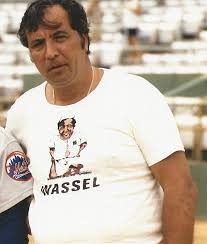
I went to work for Joe in January of 1967, where I would grow to understand, over time, the involvement of the mob along with the sex, drugs, rock and roll. I became friendly with Carmine Denoia, also known as Wassel, a name he chose after seeing the film Dr. Wassel. He was what Morris Levy, the Jewish gangster who owned not only Roulette Records but also his artists, referred to as his “Clopper.” Translated from the Yiddish as an enforcer. I will cover more of Roulette Records when I write about the record companies who were owned or involved with the mob, and all of the sex, drugs, and rock and roll therein.
Another music agency that was rumored to have its boss involved with the mob, and all of the entrapments of sex, drugs, and rock and roll, was Jack Bart, the manager of James Brown and the owner of Universal Talent. I cannot claim to have been a friend of either Jack or Morris, but I had known them and met them on several occasions. Carmine and I were pals. I write in my memoir, “Once A King, Now A Prince, “The True Tale Of Family Dysfunction, Sex, Drugs, and Rock And Roll,” how Carmine, with the help of his friend, Joey Pagano, a lieutenant in the Genovese mob, actually saved my life. Carmine, as the mob would describe him, was not a made guy, but would have been referred to as either “he’s with us” or “he’s a friend of ours,” the mob term for an “associate.
Briefly, before I returned to rock and roll management and publishing for Billy Michel, I was an agent at World Wide Talent, where one of the partners was a man named Sandy Smith. Sandy was also famous among celebrity circles for his all-night parties, where the level of sex, drugs, rock and roll went to the extreme. Many celebrities hung out there for just that reason.
Mob owned Record Companies, with sex, drugs and rock and roll as barter
When it came to sex, drugs, rock and roll, and keeping their artists happy, those labels, in part, were:
Roulette Records was founded in 1957 in New York by George Goldner, Joe Kolsky, Phil Kahl, and Morris “Mo” Levy. Levy became president. Levy had known ties to the Genovese crime family, and many accounts describe Roulette functioning as a front for organized crime, including money laundering and using mob muscle to intimidate or silence people.
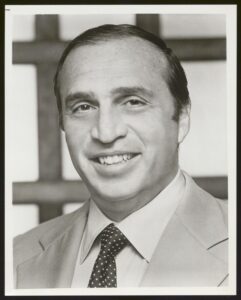
Artists signed to Roulette often got very little in the way of royalties. Tommy James & The Shondells estimate that Massey-Roulette owed them between $30 million and $40 million in unpaid royalties over the years of their hits. Aside from underpayment, there were threats and violence involved. For example, when Jimmie Rodgers, another figure on Roulette, demanded payment, he was attacked (fractured skull, coma) under circumstances that many suspect were mob-influenced. One story told to me directly by the manager of an act that Levy had the publishing rights for was that when he went to Levy years later, after the record was well over from its charted days, he asked Levy for his Publishing back, telling him that “his client would like to be able to own his own publishing.” Levy’s reply was, “Hey, kid, ya wanna own, ya need a gun to own.”
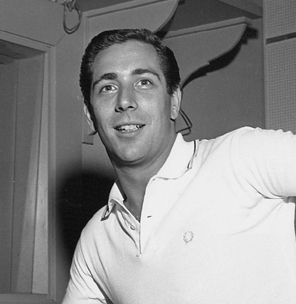
Brunswick Records, owned by Nat Tarnopol, had some shady background in terms of artist exploitation and ownership, though less directly tied to mob ownership than Roulette. For example, artists under Brunswick sometimes saw very small payments even when their records sold very well. (The sources are less strong on direct mob ownership there in that era.) Nat was my neighbor at 888 Seventh Avenue, New York City, where we had offices, during my ownership of American Talent International, LTD.
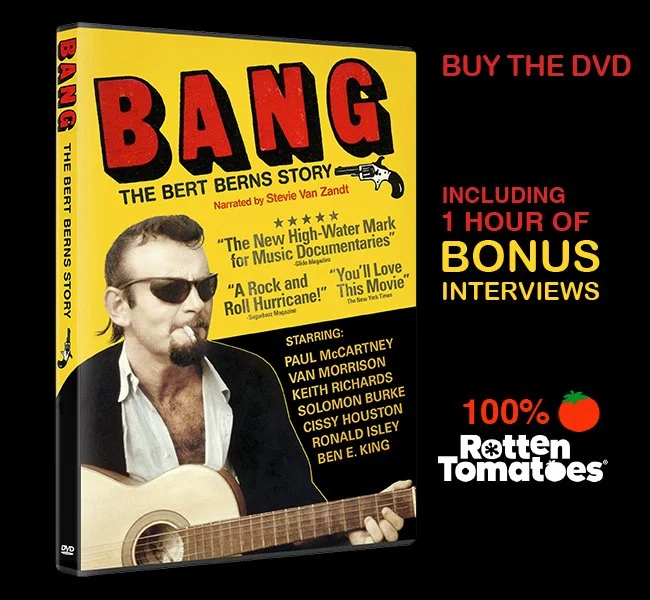
Bang Records, owned by Bert Burns. “Bang! Records” was a record label founded by songwriter and producer Bert Berns in 1965, with its name derived from the first letters of Berns, Atlantic Records partners Ahmet Ertegun and Nesuhi Ertegun, and Gerald “Jerry” Wexler. The record label is featured in the Bang! This details the career of Berns and his mob associations. This story, you know, had lots of sex, drugs, and rock and roll to spare.
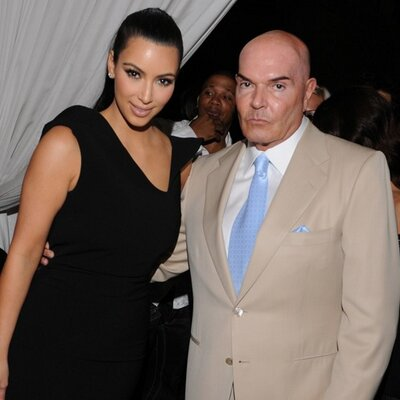
Joe Isgro, though more prominent in later decades than ’50s-’60s, is part of the tradition of record promoters whose methods echo payola. He was indicted in 1989 on many counts, including “payola payments in the form of money and cocaine to various program directors at radio stations,” allegedly working with major record labels to push records via illicit means. Even in prison, according to Barry “Reazar” Richards, a former radio station owner and still a record promoter, Isgro had to give his blessings about which indy promo guy could have which territory.
Payola Scandals: Where payment could be cash, sex, drugs and rock and roll royalty shares
• Alan Freed, a hugely influential DJ in the 1950s who helped popularize “rock and roll,” was implicated in payola — accepting payments from record companies to spin certain records. He was eventually convicted of commercial bribery in 1962 (fined, suspended sentence).
• In 1960, the U.S. government (FCC and Congress) moved to make payola a crime. There were Congressional hearings (e.g. the Subcommittee on Legislative Oversight) that exposed how payola (bribes of cash, drugs or sex) were used to secure radio play for certain records.
Other Mob Figures, im a sex, drugs and rock and roll music business
Gaetano “Tommy Ryan” DeFilippis – Linked with the jukebox racket; influenced music distribution in the Northeast.
Vito Genovese & Family – Controlled many of the unions and distribution companies tied to records, concerts, and jukeboxes.
Frank Costello & Meyer Lansky connections – Earlier ties through nightclubs and jazz; their networks helped shape the mob’s entry into rock.
In1950s–1960s, and onward sex, drugs, and rock and roll wasn’t just a cliché — it was the business model:
- Sex – mob-controlled clubs, groupie culture, exploitation.
- Drugs – heroin and amphetamines supplied through mob channels, fueling artists and scenes.
- Rock and Roll – records, radio, jukeboxes, and tours under mob ownership and control.
Sex, Drugs, Rock and Roll + The Mob, “The Video”
