









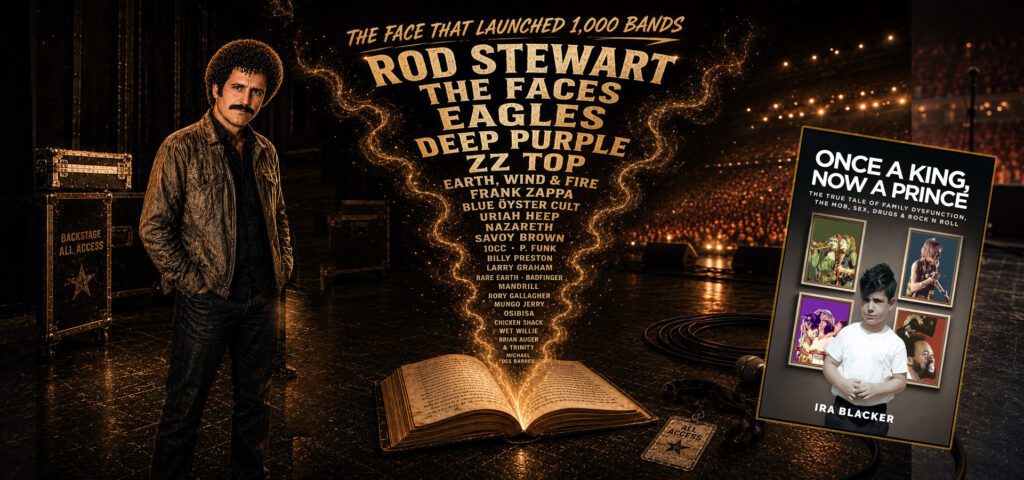
The best music memoirs are never just about hit records, sold-out arenas, or backstage parties that lasted until sunrise. The books readers remember are the ones that reveal what life actually felt like behind the music, where ambition, betrayal, survival, excess, loneliness, loyalty, and emotional cost all lived in the same room. Many modern rock books feel polished to the point of sterilization, with the rough edges removed and the danger softened until even the people begin to sound rehearsed. But the best music memoirs leave the scars visible and allow the reader to experience the chaos, excitement, and emotional contradictions that existed behind the mythology of rock and roll. That is what separates ordinary celebrity books from the best music memoirs ever written.
The Best Music Memoirs Tell More Than Music Stories
The strongest memoirs are rarely only about music. They are about identity, survival, and the forces that shape a life long before fame arrives. Great memoir writing pulls readers into the emotional world behind the headlines and allows them to understand not only what happened, but why it mattered. Many unforgettable books begin with pain, instability, or conflict long before success enters the picture, and those early experiences often become the fuel that drives ambition later in life. In that sense, many of the best music memoirs also function as powerful dysfunctional family stories, because the emotional damage that begins in childhood often follows artists and industry insiders throughout their careers. Rock and roll did not create larger-than-life personalities. It simply amplified what was already there.
Dysfunctional Family Stories Often Begin The Journey
Behind many careers in music lies a search for escape, belonging, validation, or reinvention. Some people run toward music, while others run away from something else entirely, and that emotional hunger is often what gives memoirs their depth. The reader may initially come for the stories about famous artists, but what keeps them invested are the personal stakes underneath the success. Without that emotional core, even the best music memoirs risk becoming little more than collections of tour dates and celebrity encounters. The best music memoirs understand this balance. They show how personal history and professional ambition become intertwined until it becomes impossible to separate the individual from the life they created inside the music business.
It begins when I was about two years old, because memory can only reach so far back, and follows the strange road from my school years, with limited “schooling,” through my “Wonder Bread Years,” and into what became the Ringling Brothers career of a lifetime.
The Most Influential People Are Not Always Heroes
One of the most fascinating aspects of any memoir is the cast of characters who shape the journey. In rock and roll, the most influential people are not always musicians. Sometimes they are managers, promoters, agents, business partners, or dangerous personalities operating in the shadows of the industry. The music business during the classic rock era was filled with larger-than-life figures whose influence extended far beyond contracts and concert halls. Some opened doors. Others created problems that lasted for years. Many did both at the same time, and a real memoir captures those contradictions honestly.
At one Boston show, kids who could not get inside were scaling the building trying to break in, which showed how quickly demand for Rod Stewart and Faces had become its own kind of rock and roll event. At the same time, success created friction inside the band itself, because fame has a way of magnifying every insecurity already present beneath the surface. The best music memoirs understand that fame is not just a reward. It is also a pressure cooker, and those are the moments that elevate a memoir from entertainment into something more human and lasting.
Music Industry Stories Reveal What Fame Really Costs
The public usually sees glamour. Insiders see pressure, politics, money battles, shifting loyalties, and emotional fallout, which is why authentic music industry stories remain so compelling decades later. Behind every successful tour existed endless negotiations, immigration issues, contract disputes, egos, and power struggles. Artists rose quickly, but relationships could collapse just as fast, because loyalty in the music business often lasted only until a larger opportunity appeared. The emotional betrayal surrounding Deep Purple and agency politics became a perfect example of this reality, where professional losses could feel deeply personal because careers and identities became so intertwined.
That emotional honesty is what many readers search for when looking for the best music memoirs. They want more than gossip. They want the truth behind the curtain. The best music memoirs give them that truth without pretending the business was cleaner, safer, or kinder than it really was. A memoir that admits how much success can hurt has far more staying power than one that only celebrates applause, money, and famous names.
A Rock And Roll Autobiography Should Feel Dangerous
A memorable rock and roll autobiography should contain unpredictability. It should feel alive, and readers should sense that anything could happen at any moment. The classic rock era was filled with bizarre and sometimes dangerous situations that could never be manufactured by publicists or marketing departments. One night might involve luxury hotels, celebrities, and sold-out arenas. The next could involve threats, chaos backstage, or negotiations with people who operated far outside respectable business circles. Those contrasts gave rock and roll its electricity, and the best music memoirs preserve that electricity instead of sanding it down into safe nostalgia.
Large festivals like Ontario Jam captured both the excitement and insanity of the period, with hundreds of thousands of people gathered around music that felt revolutionary at the time. The atmosphere was euphoric, volatile, and impossible to fully control. The same unpredictability existed offstage as well, where concert disputes, backstage confrontations, and encounters with mob-connected figures were part of the landscape surrounding the business during that era. Those stories reveal how thin the line could become between entertainment, power, danger, and survival.
Some of the most dangerous times came through personal friendships I had developed with people like Carmine “Wassel” DeNoia, Phil Basile, Joey Pagano, Joe Capasso and the Ruggerio Brothers, to name just a few. These men came from that posse on the “other side of the tracks,” so to speak. In most cases, those relationships did not cause me problems, and one of them may have saved my life. In another instance, one close friend seemed to think I was his economic pinata.
Why The Best Music Memoirs Stay With Readers
Readers may begin a memoir looking for stories about music, but they stay for the humanity underneath it all. The most lasting books reveal what success feels like from the inside. They show the emotional consequences of ambition, the loneliness hidden beneath celebrity, the betrayals that never fully heal, and the moments of absurdity that somehow become unforgettable memories years later. That is why the best music memoirs continue to resonate long after trends change or headlines fade. They are not simply books about musicians. They are stories about people trying to survive extraordinary lives while holding onto some sense of themselves along the way.
For readers searching for authentic music industry stories, emotionally honest dysfunctional family stories, or a true rock and roll autobiography that exposes both the glamour and the damage behind the music business, the best music memoirs are always the ones willing to tell the truth.
This music trailer is for Ira Blacker’s rock and roll memoir, “Once A King, Now A Prince.”
