










The Business Behind The Music
Most people think a true life story about rock and roll begins with limousines, backstage passes, and a roaring crowd. Sometimes it does. But if you were inside the business, you also saw the part the fans never saw: the money, the egos, the side deals, the betrayals, and the strange arithmetic that turned rock and roll into a very serious business.
Deep Purple was not just another band on a poster. They were part of the shift from rock to arena classic rock bands, when the business stopped being a loose collection of promoters, agents, managers, and road warriors and started becoming a serious money machine. At the Ontario Jam festival in California, Deep Purple was not even the headliner, yet still received a payday of $400,000. That tells you more about the state of the business than any press release ever could.

That is the part missing from many rock n roll memoirs. Fans remember the volume. I remember the volume too, but I also remember the calculations behind it. Every major act had weight. Every contract mattered. Every relationship could become leverage. Deep Purple had become one of those attractions that could move promoters, agencies, and bank accounts all at once.
Ontario Jam And The Size Of The Moment
The Ontario Jam was one of those enormous California rock festivals of the early seventies. Nearly half a million kids were there, high on pot, acid, music, or some combination of all three. The sound system was excellent, the crowd was enormous, and the place rocked. I was brought in by helicopter and spent much of the event on stage, watching the whole machine operate from the inside. That is not nostalgia. That is logistics with a backbeat.
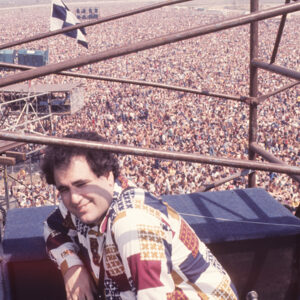
I also placed Earth, Wind & Fire on that bill, where they played in front of their first major white audience. That mattered. In those days, putting the right act in front of the right crowd could change a career. It was not just booking dates. It was positioning, instinct, nerve, and sometimes dumb luck wearing good shoes.
Deep Purple fit that world perfectly because they were not small. Nothing about them was small. Not the sound. Not the draw. Not the money around them. Not the problems.
And there were always problems. One of the strangest things I ever saw in rock and roll happened around that festival. The organizers claimed they were losing money, and I watched one of Deep Purple’s managers give a refund back to the promoter. That was not exactly standard behavior in a business where managers were usually far more comfortable taking money in than handing it back, and I have wondered more than once where that money finally landed.
When Rock And Roll Became Leverage
That is why music industry stories are different from fan stories. The fan sees the band walk on stage. The agent sees the deal, the risk, the manager, the promoter, the contract, the gross, the commission, and the possibility that somebody in the chain is getting cute with the numbers. Deep Purple also became part of one of the most painful business lessons I ever learned.
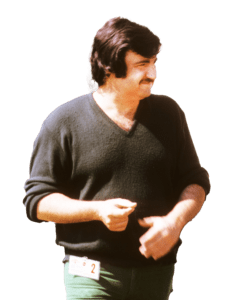
Bruce Payne was one of the agents I hired. I let him become the responsible agent on Deep Purple, meaning he handled the dates and became the regular point of contact with management. That was my mistake. I had signed the act, built the relationship, and then allowed someone else to stand close enough to the fire to warm himself by it. He later left ATI with the backing of Deep Purple management and started his own agency, taking Deep Purple with him. That hurt!
Not in some polite business-school way. It felt personal because it was personal. When you are young and building something, you start to think the people around you are friends. You share meals, pressure, crises, travel, jokes, and victories. Then one day you find out friendship and opportunity are not always sitting at the same table.
That is one of the truths most classic rock memoirs miss. The betrayal did not happen in some shadowy movie scene with a violin playing underneath it. It happened in daylight, in business clothes, with people you knew, and once it happened, you either learned from it or you became lunch.
A Lesson You Paid For
The truth is that rock and roll could make you feel ten feet tall and then cut your legs off at the knees. The same business that gave you access to Deep Purple, huge festivals, helicopters, roaring crowds, and unforgettable nights could also teach you that a handshake was only as good as the person attached to it. We were still learning. The business was still learning. Nobody handed you a manual called How Not To Get Screwed While Building A Rock Agency. You learned by getting hit.
That is what makes this a true life story, not a polished myth. Deep Purple was part of the excitement, but also part of the education. They represented the size rock and roll had reached, the money it could generate, and the kind of ambition that came crawling out once the stakes became large enough.

Many rock memoirs talk about the glamour. There was glamour, sure. Hotels, festivals, famous people, fine food, great wine, and enough smoke in the air to make the furniture feel relaxed. But glamour was only the wrapping paper. Inside the box was pressure.
By the early seventies, rock and roll was no longer just kids with guitars and amps. It had become a business where one band could alter an agency’s future. Deep Purple was one of those bands. Losing them was not just losing an act. It was losing power, status, income, and a piece of identity.
Readers looking for new rock memoirs often want the real thing, not another parade of backstage clichés, and the real thing is not always pretty. Sometimes it is a festival payday, a manager handing money back, an agent walking out the door, and a lesson you should have learned earlier but did not. Deep Purple was one of the great bands of that era, but for me, they also became a marker in this true life story, the point where I understood that rock and roll was not only about sound, but about control.
Who had it, who wanted it, who lost it, and who paid for learning too late. That is the business behind the music, and that is why this true life story still matters.
