









Why This Best Rock And Roll Autobiography Begins With A Rock And Roll Education
The best rock and roll autobiography does not have to begin with fame, a guitar solo, or a screaming crowd. Sometimes it begins with a kid on a Brooklyn rooftop, above a troubled apartment, learning from a radio before he ever learned the language of contracts, promoters, managers, hotel rooms, festivals, and agency politics. That is where Once A King, Now A Prince begins to find its musical direction: not in the spotlight, but in the private education that taught Ira Blacker what rock and roll could mean before he entered the business that moved it.
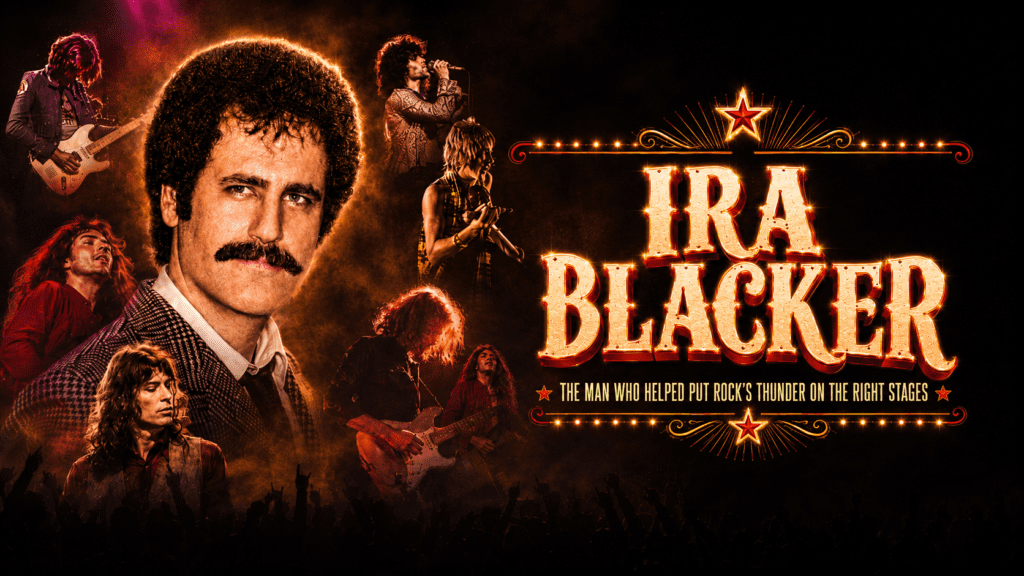
That rooftop radio was Ira Blacker’s first rock and roll classroom. He was not yet studying the music business, but he was absorbing the sound, rhythm, power, and emotional charge that would later become part of his working life. He heard rock and roll, rhythm and blues, and the black radio stations of New York before he had any idea that the music coming through that speaker would one day lead him toward Rod Stewart & Faces, Savoy Brown, Deep Purple, ZZ Top, Blue Oyster Cult, Nazareth, Frank Zappa, and other acts that helped define the thunder of the era.
That is why this book belongs in the best rock and roll autobiography conversation from a different angle. Ira Blacker did not merely witness the era. He helped sign, package, position, protect, and move these acts through the American rock market, placing them on the right stages across America and Canada so their talents could reach the audiences that were ready for them. This is a rock autobiography about how a damaged Brooklyn kid found his way through music, then entered the machinery that helped expose classic rock, hard rock, and heavy metal to larger audiences.
From Rooftop Radio To Rock And Roll

The roof on Glenwood Road was more than a place to get air. It was a small kingdom above the apartment, a few feet above the fear, where Ira Blacker could lie on a blanket with a radio attached to an extension cord hanging down to his bedroom window. That may not sound like the beginning of a best rock and roll autobiography, but it was. He was listening, learning, and letting the music reach places that ordinary life could not reach.
He had already heard Fats Domino, Elvis, Little Richard, Chuck Berry, and the early giants who broke through to a larger white audience, but the rooftop took him deeper. Stations like WLIB and WNJR opened the door to blues and rhythm and blues artists who carried the roots of the music he loved. That was the real education. Long before Ira Blacker booked tours or dealt with promoters, he was learning where rock and roll came from, why it mattered, and why it could feel like a road out of one life and into another.
For readers looking for the best rock and roll autobiography, that matters because the book does not treat music as decoration. The music is part of the escape route. It runs from childhood damage to the later business years, from private survival to public spectacle. Ira Blacker did not enter the music business as a blank young man looking for glamour. He entered it with history, hunger, fear, humor, and a need to make something larger out of the life he had been given.
Classic Rock, Hard Rock, And The Tour That Opened The Door
At American Talent International, Ira Blacker’s work began to take on real force. One of the defining moments was the Rod Stewart & Faces package with Savoy Brown and Joe Cocker’s Grease Band. That tour was not just another bill. It was a piece of instinctive show business that helped put ATI on the map. Rod Stewart & Faces had flash, personality, and momentum. Savoy Brown brought blues-rock muscle. The Grease Band added another piece of British rock credibility. Together, they created more than a concert package. They created movement.
That is one reason Once A King, Now A Prince fits readers searching for the best rock and roll autobiography. It gives the view from the working side of the rock business, where an artist’s rise was not only about talent, but timing, packaging, salesmanship, nerve, and the ability to read what an audience might want before the audience fully knew it. Ira Blacker’s role was not merely to watch the acts pass through. He helped shape the platforms that let them be seen, heard, and understood by larger American and Canadian audiences.
The classic rock years were not soft or polished while they were happening. They were alive, demanding, and full of moving parts. Artists were trying to break through, managers were protecting their interests, promoters were counting seats, and agencies were turning instinct into box office. A true rock autobiography should show that side too, because the music did not travel by magic. It traveled through people, decisions, pressure, and sometimes a beautifully timed roll of the dice.
Hard Rock, Heavy Metal, And The Business Behind Rock’s Thunder
As the roster grew, the sound moved into harder territory. Deep Purple became especially important because they stood at a shift point in rock history. When Ira Blacker added Deep Purple as special guests to Savoy Brown, audiences could hear that shift taking place. Deep Purple had moved beyond their earlier heavy pop identity into something far heavier and more commanding. Heavy rock became the bridge between classic rock and heavy metal, and Deep Purple was one of the bands walking across that bridge with both boots on.
That is the kind of story that gives this best rock and roll autobiography its bite. Ira Blacker was not writing about hard rock and heavy metal from a distance. He was helping place the bands where the public could feel the change. The right stage mattered. The right billing mattered. The right audience mattered. A band could be talented and still need the proper platform before people understood what they were hearing.
ZZ Top, before the beards became legend, came into the ATI world through Bill Hall and Bill Ham. Nazareth brought a rough rock edge. Blue Oyster Cult carried mystery, force, and menace. Frank Zappa and The Mothers of Invention existed in their own strange kingdom, impossible to file neatly under one label but impossible to ignore. In each case, the business behind rock’s thunder meant more than signing a name to paper. It meant knowing where the act belonged, which rooms could carry them, which audiences might open to them, and which moments could turn exposure into momentum.
Deep Purple, ZZ Top, And The Heavy Edge Of The Seventies
The heavier edge of the seventies was not built only in recording studios. It was built on stages, in theaters, in arenas, in parks, and at festivals where the sound, the audience, and the business met in real time. Deep Purple represented scale and power. Blue Oyster Cult represented theatrical darkness and heavy imagination. Nazareth brought grit. ZZ Top brought Texas muscle before the cartoon of the later image swallowed the rawness of the early band.
One tense ZZ Top concert in Central Park showed how quickly a show could change character. The crowd pressed close, the mood shifted, and a knife near the front could have turned a concert into something much uglier. Ira Blacker saw the danger and helped calm the moment before it broke open. That kind of scene belongs in the best rock and roll autobiography conversation because it shows the live business without perfume. Rock’s thunder had power, and power had to be managed with street sense, timing, and nerve.
By the time the Ontario Jam arrived, the business had grown to festival scale. Deep Purple headlined, and Earth, Wind & Fire was strategically placed before a huge white rock audience. That kind of move says a great deal about the period. The walls between classic rock, hard rock, funk, soul, and heavy metal were real, but they could also be tested by someone who understood audience, timing, and opportunity. For readers comparing rock autobiographies, this is the difference. Once A King, Now A Prince shows not only who played, but how a man inside the business helped put the music where it could explode.
Why This Story Belongs With The Best Rock And Roll Autobiographies
The phrase best rock and roll autobiography usually makes people think of a famous performer telling a familiar rise-and-fall story. That can make a good book, but it is not the only story worth reading. Rock and roll was also shaped by agents, managers, promoters, record people, road crews, lawyers, hustlers, and the people who knew how to move an artist from one stage to another until a room became a market and a market became a career.
Once A King, Now A Prince belongs with the best rock and roll autobiographies because it gives readers a different line of sight. It is a rock autobiography from inside the business, but also from inside the damaged life that made the business both exciting and dangerous to Ira Blacker. The same boy who needed the rooftop radio became the man who could walk into the music business and recognize its chaos, hunger, seductions, threats, and emotional traps.
That is also why the book fits the broader search for the best rock autobiography. It is not limited to one genre label or one era. It moves through classic rock, hard rock, heavy metal, rhythm and blues, soul, funk, and the business that connected them. It carries the names readers recognize, but the names are not the whole point. The deeper subject is what it felt like to help give those artists platforms across America and Canada while still carrying the old Brooklyn ghosts that made the ride so intense.
After The Music Business Ends
The music business does not last forever, at least not in the form you first knew it. The names change, the rooms change, the power shifts, and the old confidence starts to look different when life forces a man to look back. That is why this book does not end with the agency years. The business was a major act in the story, but it was not the whole story. There was still the fallout, the emotional cost, the bad decisions, the survival habits, and the late reckoning that comes when a man finally begins to understand the life he has been living.
That final turn matters because autobiography is not only memory. It is judgment. It is the older self looking back at the younger self and asking what was really happening beneath the jokes, the deals, the women, the anger, the appetite, and the constant motion. For readers searching for the best rock and roll autobiography, Once A King, Now A Prince offers the music, the business, the classic rock names, the hard rock force, the heavy metal atmosphere, and the life behind the thunder of the music.
This is a rock autobiography about damage, escape, ambition, absurdity, sex, money, betrayal, humor, and survival. It is also a story about what happens after the applause fades and the man who lived through it has to decide what it all meant. That is why Once A King, Now A Prince belongs in the best rock and roll autobiography conversation. It does not merely remember the music business. It tells the life that made the music business matter.
